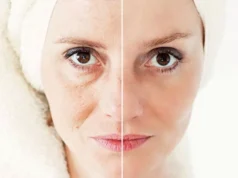
Booking your first aesthetic treatment can feel exciting, especially if you’ve been considering making a change to your appearance for a while. With so many options available, from skin rejuvenation treatments to cosmetic injectables, it’s easier than ever to explore procedures that address specific concerns.
However, choosing an aesthetic treatment isn’t quite the same as booking a haircut or buying a new skincare product. Some procedures involve medical considerations, potential side effects, and ongoing maintenance you should understand before committing.
Taking time to ask the right questions can help you make an informed decision, manage your expectations, and feel more confident about the experience.
1. What Am I Actually Hoping to Achieve?
Before researching individual treatments, think about what you’d like to change and what you hope the results will look like.
Perhaps you’re concerned about uneven skin texture, unwanted hair, acne scarring, or the appearance of fine lines. Alternatively, you might simply want to improve your overall complexion.
Having a clear goal makes it easier to identify suitable treatments without getting distracted by procedures that are popular online.
It’s also worth considering your motivation. Are you interested in a treatment because it would make you feel more comfortable, or because you’ve been comparing your appearance to heavily edited photographs on social media?
There’s nothing wrong with wanting to improve your appearance, but cosmetic procedures should be a personal decision rather than a response to outside pressure.
2. Is This Treatment Suitable for My Skin?
Not every aesthetic procedure is appropriate for every person.
Skin type, pigmentation, sensitivity, medical history, and existing skin conditions can all influence which treatments are suitable.
For instance, certain laser treatments require particular precautions for people with darker skin tones because of the potential for pigmentation changes. Similarly, someone experiencing active skin irritation might need to postpone a chemical peel until their skin has recovered.
A professional consultation should include an assessment of your individual circumstances rather than a recommendation based solely on the treatment you’re interested in.
Be prepared to discuss allergies, medications, previous cosmetic procedures, and any skin conditions that could affect your results.
If you have an undiagnosed rash, suspicious mole, or persistent skin problem, a dermatologist or other appropriate medical professional should assess it before you pursue cosmetic treatment.
3. Who Will Be Performing the Procedure?
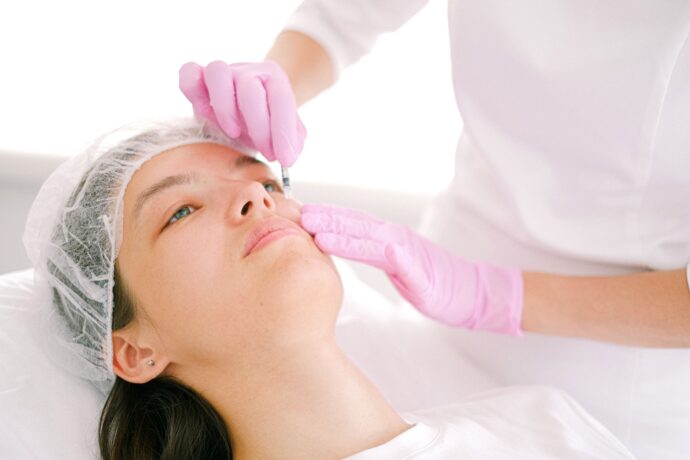
The person carrying out your treatment is just as important as the procedure itself.
Different aesthetic services require different levels of training, qualifications, and professional oversight. A facial and an injectable treatment, for example, involve very different considerations.
Ask about the practitioner’s qualifications, experience, and familiarity with the specific procedure you’re considering.
You should also feel comfortable asking about the equipment or products being used and how the provider manages complications.
Medical spas such as dermani MEDSPA® in Buford, Georgia, offer a range of aesthetic services, including Botox, JUVÉDERM fillers, laser hair removal, HydraFacials, and microneedling.
Exploring the treatments available at an established provider can help you understand your options, but it’s still important to ask questions about the individual practitioner and whether each service is right for you.
A reputable professional should be willing to explain the procedure clearly without making you feel rushed into booking.
4. What Results Can I Realistically Expect?
Before-and-after photographs can be useful, but they don’t guarantee that you’ll achieve identical results.
Your age, skin condition, lifestyle, and natural response to treatment can all influence the outcome.
Some procedures offer relatively quick cosmetic improvements, while others produce gradual changes over several weeks or months.
Microneedling, for example, creates controlled micro-injuries that encourage the skin’s natural repair processes. Improvements in texture and the appearance of certain scars may develop gradually and require multiple appointments.
Cosmetic injectables also vary in how they work and how long their effects last.
Ask your provider what a typical outcome looks like, how much improvement is reasonable, and which concerns the treatment cannot address.
Understanding these limitations beforehand can prevent disappointment and help you decide if the procedure is worth pursuing.
5. Are There Any Side Effects or Risks?
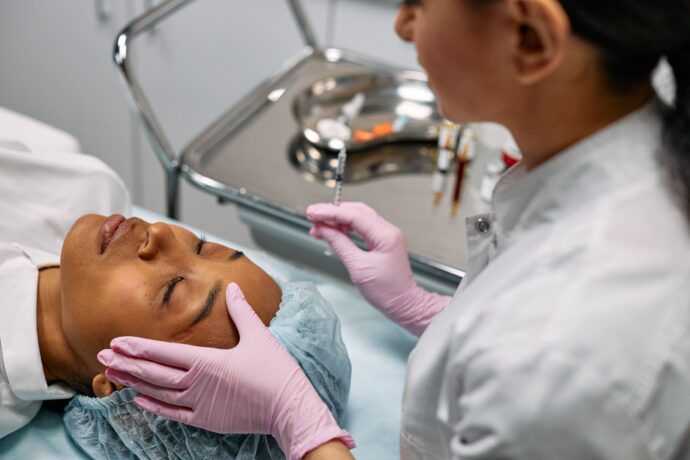
Even treatments described as non-surgical or minimally invasive can involve risks.
Chemical peels may cause temporary redness, peeling, and sensitivity. Laser treatments can occasionally lead to burns or pigmentation changes, while injectable procedures may cause bruising, swelling, or more serious complications.
Dermal fillers, in particular, carry rare but potentially severe risks if material enters a blood vessel, including tissue damage and vision loss.
Before proceeding, ask about common side effects, serious complications, and what steps are taken to reduce these risks.
It’s equally important to understand what happens if something goes wrong.
Does the provider have appropriate emergency procedures? Who should you contact if you experience unexpected symptoms after leaving the clinic?
A responsible practitioner should discuss these possibilities openly rather than dismissing your concerns.
6. Will I Need Time to Recover?
One appeal of modern aesthetic treatments is that many require little downtime. However, this doesn’t mean your skin will necessarily look or feel normal immediately afterward.
Some procedures can leave temporary redness, tenderness, swelling, or visible peeling.
Depending on the treatment, you might need to avoid intense exercise, direct sunlight, certain skincare ingredients, or makeup for a period afterward.
If you’re considering a procedure before a wedding, vacation, or important work event, ask how much recovery time you should allow.
It’s sensible to avoid trying an unfamiliar treatment immediately before a major occasion, especially if you don’t know how your skin will react.
Your provider should supply clear aftercare instructions and explain which symptoms are normal and which require medical attention.
7. What Will the Total Cost Be?
The advertised price of an aesthetic treatment doesn’t always represent the complete cost of achieving or maintaining your desired results.
An individual session might seem affordable, but several appointments can make the overall expense considerably higher.
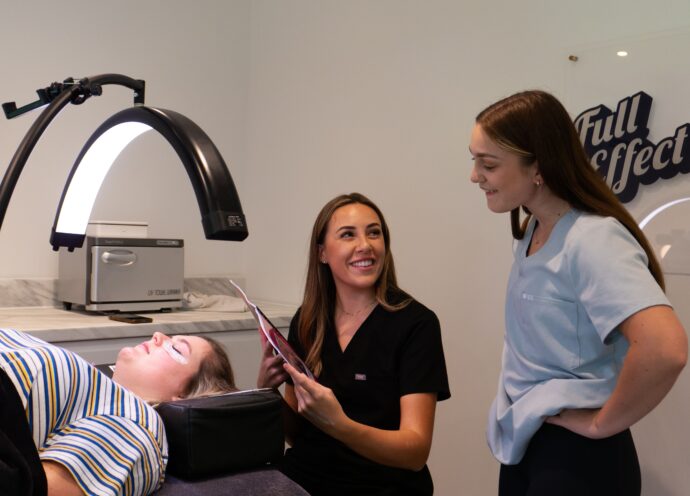
Ask for a clear breakdown of consultation fees, treatment costs, follow-up appointments, and any recommended aftercare products.
Some medical spas offer memberships or treatment packages that reduce the price of regular appointments. These can be useful for people planning ongoing treatments, although it’s important to understand the terms before signing up.
Check for minimum commitments, cancellation conditions, and restrictions on how treatment credits can be used.
You should never feel pressured to purchase additional services simply because they’re offered at a discount.