Streaming platforms, gaming portals, celebrity fan sites, and online casinos all compete hard for attention, and many of them lean on flashy promotions to win it. A “free month” banner, a countdown clock, or a giveaway with a famous name attached can be exciting. Some of these offers are exactly what they claim to be.
Others are built to make you hand over payment details, sign up for something you did not want, or click through to a page that installs something you never meant to download. Knowing the difference saves money and a lot of frustration.
Start With the Headline Promise
Misleading offers usually open with a promise that is hard to check at a glance: “Get 90% off forever,” “You’ve been selected for a reward,” or “Unlimited access for $1.” Real promotions tend to be specific about what you get, how long it lasts, and what it costs after the introductory period. When a headline is vague about the terms but very confident about the reward, slow down. Look for the fine print before you let the excitement carry you forward.
Read the Price Before You Trust the Discount
A crossed-out “original price” is one of the oldest tricks in online selling. Check whether that original price was ever actually charged. Then follow the offer to checkout and compare the total with what was advertised. Watch for fees that appear only at the last step, such as processing charges, mandatory add-ons, or currency conversion costs. If the discount only exists on the homepage banner and disappears in the cart, the offer was never as good as it looked.
Countdown timers deserve the same skepticism. Some sites reset the clock when you reload the page, which shows the pressure is decorative rather than real. A genuine limited-time deal usually has a stated end date that does not change every time you return.
Bonuses and Promotions on Casino and Gambling Sites
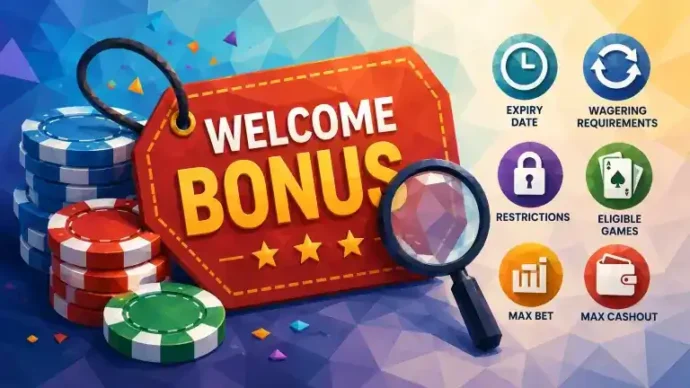
Gambling and casino websites are a clear example of why terms matter. Welcome bonuses often come with wagering requirements, time limits, game restrictions, and maximum withdrawal caps that can make a headline offer much less generous in practice. Before you act on any bonus, find the section that explains how it converts into playable funds and what you must do before you can withdraw winnings. Casino comparison sites such as Crazyvegas can help you see how operators differ on these points, and you can explore crazyvegas to compare reviews and terms side by side before deciding where, or whether, to play.
Free Trials That Turn Into Recurring Charges
Free trials are among the most common sources of unwanted charges. The offer itself may be legitimate, but the problem appears when the trial converts to a paid subscription that you forgot about. Before you enter card details, check three things: how long the trial lasts, the exact date the first charge will appear, and how to cancel. If the cancellation path is hard to find, buried behind multiple screens, or only available by phone, treat that as a warning sign. Setting a calendar reminder a few days before the trial ends is a simple habit that prevents most surprise bills.
Fake Giveaways and Phishing Lures
Fake giveaways are designed to collect information rather than reward anyone. A message claiming you won tickets, a gift card, or early access to a show may ask for your login, your bank details, or a small “shipping fee.” Phishing pages often copy logos and layouts from well-known platforms, and the web address may differ by a single letter or use an unusual domain ending. Do not click links in unexpected prize emails or pop-ups. Instead, open the official app or type the company’s address yourself and check whether the offer appears there.
A Quick Checklist Before You Click
Run through these questions whenever an entertainment offer makes you hesitate. Does the site clearly state the total price and renewal terms? Is the cancellation process as easy to find as the sign-up button? Does the offer ask for more personal information than it needs? Are reviews from independent users consistent with the marketing? If several answers are unclear, the safest choice is to walk away and check back later. Legitimate deals rarely disappear because you took an extra day to read the details.
Spotting misleading offers is less about being suspicious of everything and more about slowing down long enough to read what you are agreeing to. The entertainment you want will still be there after you have checked the terms.