




LATEST ARTICLES
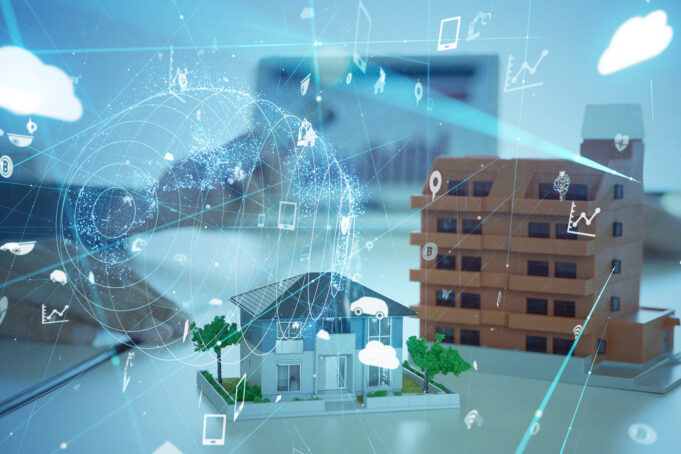
In 2026, the landscape of the property market has transformed dramatically. Over 87% of brokerages now utilize advanced tools, marking a significant shift from...

As the world embraces remote work, a growing number of countries are welcoming professionals with open arms. By 2026, over 50 nations have launched...

The rapid rise of technology has brought about new challenges in security. Consumers and businesses now face an alarming increase in fraud fueled by...
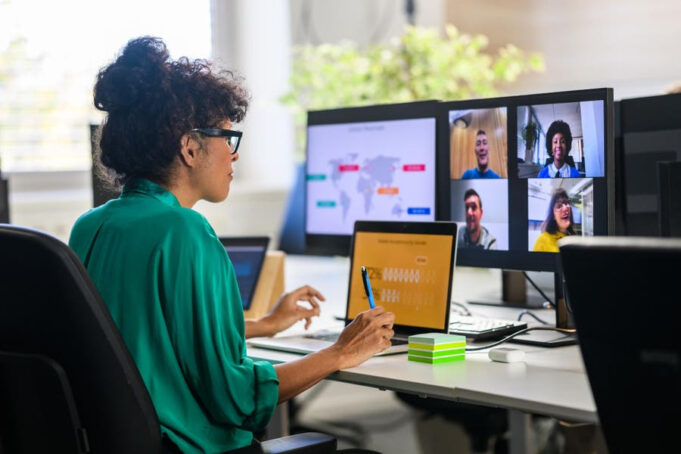
The landscape of work has dramatically changed. Remote work is no longer a temporary solution; it has become a permanent aspect of the global...
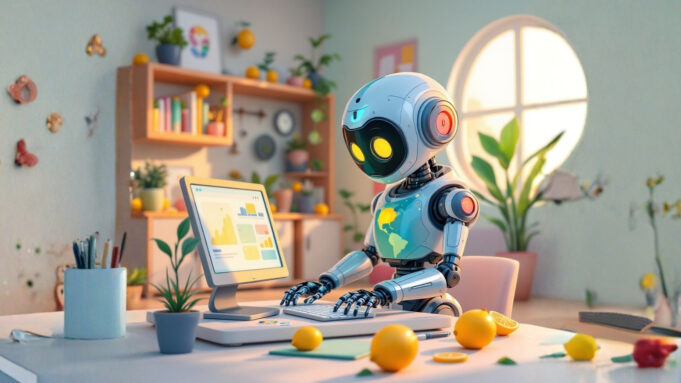
The rapid rise of technology has opened new doors for those looking to generate income from home. Today, many individuals are successfully leveraging innovative...

The rise of intelligent systems is transforming the way we work, shop, and search for information. These autonomous software solutions, known as agents, are...
In 2026, the role of artificial intelligence is transforming how small companies operate. It's not just about hype anymore; it's about real solutions that...

The modern internet no longer operates as a single, centralized pipeline. Content now moves through a complex web of distributed servers, edge locations, transit...
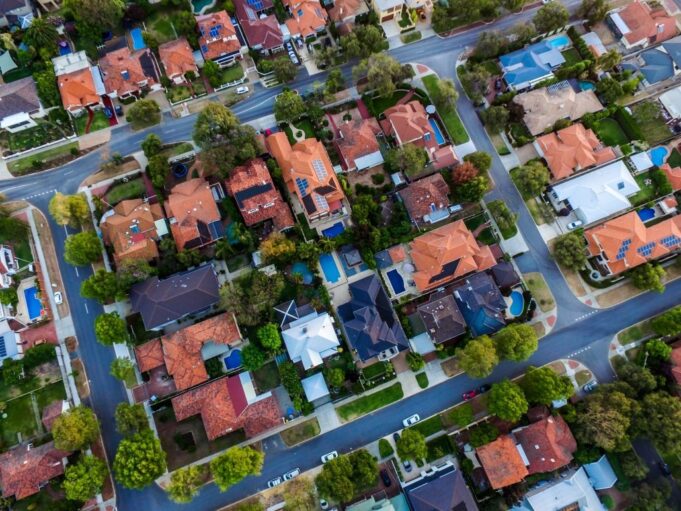
Singapore’s property market is shifting in subtle but meaningful ways. Buyers want connectivity, quieter neighbourhoods, and long term resilience in an environment where supply...

Across Singapore, the hum of cranes and the rise of glass façades tell a clear story: condominiums are no longer the reserve of seasoned...