

What are the effects of poppers on the human body? Understanding their physiological impact
Poppers are commonly associated with a sudden feeling of warmth, temporary muscle relaxation, and changes in physical sensations. However, their effects on the human body go beyond these immediate experiences. These products contain alkyl nitrites, chemical compounds that influence blood vessel function and can affect blood pressure, heart rate, and oxygen transport. If you’re interested in exploring the products available on the market, you can buy poppers on Poppers Aromas to discover the brand’s selection.
Understanding how these substances work, why their effects vary, and what health risks they may involve is essential to getting a more complete picture of their physiological impact.
Poppers are liquid preparations containing volatile chemical compounds known as alkyl nitrites. When their vapors enter the respiratory system, these substances are rapidly absorbed, producing physiological changes that primarily affect the cardiovascular system and smooth muscle tissue.
The role of vasodilation
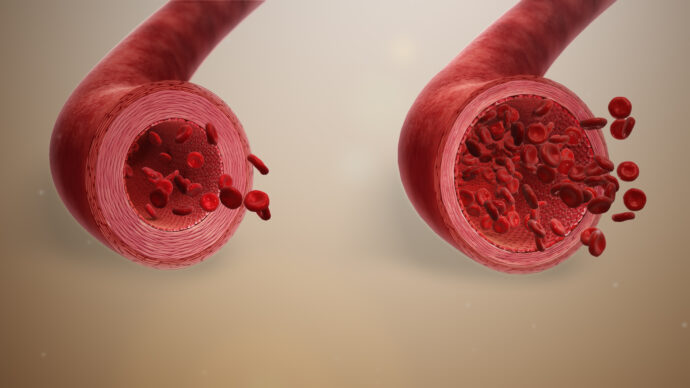
One of the main mechanisms associated with alkyl nitrites is vasodilation, the process through which blood vessels widen. These compounds promote nitric oxide-related signaling, activating an enzyme called soluble guanylate cyclase. This increases levels of cyclic guanosine monophosphate (cGMP), a molecule involved in relaxing the smooth muscles surrounding blood vessels.
As these muscles relax, blood vessels widen and vascular resistance decreases. Blood pressure can consequently drop, while the heart may respond by beating faster to maintain circulation.
This mechanism helps explain several sensations commonly reported after exposure, including facial flushing, sudden warmth, and lightheadedness.
Alkyl nitrites can also affect other smooth muscle tissues, including certain sphincter muscles. However, their effects are not limited to one specific part of the body, and the cardiovascular response is an important part of their overall physiological impact.
What physical effects can poppers cause?
The physical effects associated with alkyl nitrites can appear rapidly. Although experiences differ between individuals, several reactions are frequently described in medical and toxicological literature.
A sensation of warmth and facial flushing
A sudden feeling of warmth is one of the most commonly reported reactions. As peripheral blood vessels widen, blood flow near the surface of the skin increases. This can cause visible redness, particularly around the face and neck.
Some people also describe a brief sensation of heat spreading through the upper body. This feeling is linked to changes in blood circulation rather than an actual increase in core body temperature.
Temporary muscle relaxation
Another recognized effect is the relaxation of smooth muscle tissue. This includes muscles involved in controlling certain sphincters.
This physiological response helps explain why alkyl nitrites have historically been associated with sexual contexts. It is important, however, to distinguish smooth muscle relaxation from general muscular relaxation. These compounds do not act like conventional muscle relaxants and do not simply relax every muscle throughout the body.
Changes in heart rate

When blood pressure decreases, the cardiovascular system may compensate by increasing the heart rate. This response, known as reflex tachycardia, helps maintain blood flow to vital organs.
Some individuals may notice palpitations or a faster heartbeat. Depending on the extent of the blood pressure reduction, this reaction may also be accompanied by weakness or dizziness.
Dizziness and lightheadedness
A sudden change in blood pressure can temporarily affect blood flow to the brain. This may produce lightheadedness, unsteadiness, or a sensation of faintness.
Although these symptoms are sometimes described as part of the immediate experience, they should not automatically be considered harmless. Severe dizziness, loss of consciousness, or breathing difficulties require urgent medical assessment.
How long do the effects last?
The effects associated with alkyl nitrites generally develop quickly and are relatively short-lived.
Because these compounds are volatile and rapidly absorbed, their initial physiological effects can appear within seconds. The most noticeable sensations are generally reported to last approximately two to three minutes, although the duration can vary.
Several factors may influence how long these reactions persist, including the specific chemical compound, individual physiology, cardiovascular health, and the presence of other substances or medications.
It is also important to distinguish between the duration of the immediate sensations and the duration of potential adverse reactions. A headache, visual disturbance, or cardiovascular complication may continue after the initial effects have faded.
The fact that a substance produces brief sensations does not necessarily mean that its impact on the body is insignificant.
Why do the effects vary from person to person?
Not everyone responds to alkyl nitrites in the same way. Some individuals report relatively mild sensations, while others may experience more pronounced cardiovascular changes or adverse reactions.
Individual physiological differences

Blood pressure, cardiovascular health, metabolism, and individual sensitivity can all influence the body’s response.
For example, someone who already has low blood pressure may be more vulnerable to an additional reduction. Individuals with underlying heart or circulatory conditions may also face increased risks.
Existing medical conditions and prescription medications are particularly important considerations because they can influence how the body responds to substances that affect vascular function.
Differences in chemical composition
The term poppers covers several chemical formulations. Products may contain different alkyl nitrites, and their exact composition is not always clear from commercial descriptions.
Consequently, products marketed under similar names should not automatically be assumed to contain identical substances or produce the same physiological reactions.
The lack of consistent information about certain commercial preparations also makes it difficult to predict their effects reliably.
Environmental and situational factors
A person’s physical condition and surrounding environment can also influence their experience. Dehydration, physical exertion, alcohol consumption, and the presence of other substances may complicate cardiovascular responses.
These factors help explain why two individuals may report different experiences even when they believe they have encountered similar products.
What are the side effects and health risks?
Although the most noticeable effects may be brief, alkyl nitrites are associated with several potentially serious health complications. The US Food and Drug Administration (FDA) has issued warnings about nitrite poppers following reports of hospitalizations and deaths involving their inhalation or ingestion.
Headaches, nausea, and dizziness

Headaches are among the commonly reported adverse effects. Changes in blood vessel diameter and blood pressure are thought to contribute to these symptoms.
Nausea, weakness, and dizziness may also occur. Their intensity can vary, but persistent or severe symptoms should never be ignored.
Low blood pressure and cardiovascular complications
Vasodilation can cause a significant reduction in blood pressure. In more serious situations, this may result in fainting or inadequate blood circulation.
The heart may respond by beating faster, and some people may experience palpitations. Individuals with existing cardiovascular conditions or blood pressure disorders may be particularly vulnerable to complications.
Visual disturbances and poppers maculopathy

Certain alkyl nitrites have been associated with visual problems, including blurred vision, light sensitivity, and blind spots.
A condition known as poppers maculopathy has also been documented in medical literature. It affects the macula, the central part of the retina responsible for detailed vision.
People affected may experience difficulty focusing or notice changes in their central vision. Some cases improve after exposure stops, but recovery is not guaranteed. Persistent or sudden visual changes require prompt evaluation by an eye specialist.
A systematic review published in Seminars in Ophthalmology examined reported cases of retinal complications associated with recreational alkyl nitrite exposure, highlighting the importance of recognizing these symptoms.
Methemoglobinemia and oxygen transport
One of the most serious potential complications is methemoglobinemia.
This condition occurs when hemoglobin, the protein responsible for transporting oxygen in red blood cells, is converted into methemoglobin. In this altered form, hemoglobin cannot transport oxygen normally, reducing the amount available to the body’s tissues. Poison Control explains how this oxygen-transport problem can occur with poppers.
Symptoms can include:
- Headaches and pronounced dizziness.
- Shortness of breath.
- Blue or gray discoloration of the lips or skin.
- Confusion and loss of consciousness.
Severe cases can become life-threatening and require emergency medical treatment. The FDA and Poison Control both identify methemoglobinemia as a significant risk associated with nitrite-containing products.
Dangerous interactions with erectile dysfunction medication
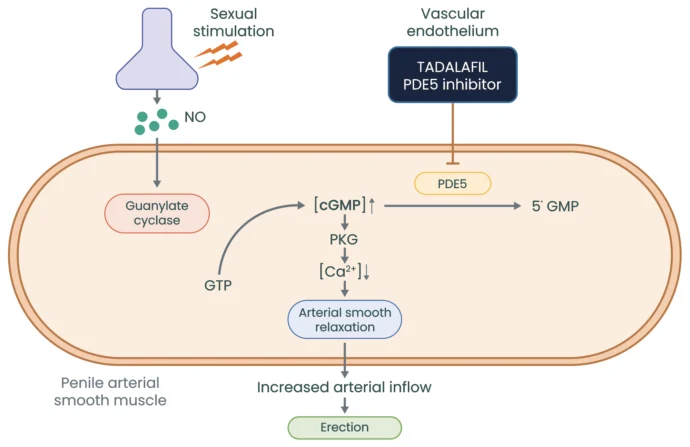
An especially important concern involves interactions with phosphodiesterase type 5 (PDE5) inhibitors.
Medications such as sildenafil (Viagra) and tadalafil (Cialis) influence blood vessel function and can lower blood pressure. Combining them with alkyl nitrites may produce an excessive reduction in blood pressure.
This interaction can lead to severe hypotension, fainting, and potentially life-threatening cardiovascular complications.
People taking these medications should be aware of this serious interaction and seek advice from a qualified healthcare professional about medication-related risks.
The FDA advises consumers not to inhale or ingest recreational nitrite poppers. These products should never be swallowed. Anyone experiencing breathing difficulties, fainting, blue discoloration of the skin, or other signs of serious toxicity should seek emergency medical assistance.